Move with Confidence: Yoga You Can Hear and Feel

Welcome! Today we dive into accessible yoga for the visually impaired through audio guidance, exploring how clear verbal cues, supportive props, and mindful rhythm create safety, embodiment, and joy. Whether practicing at home or in community, you will feel seen, respected, and confidently independent.

Foundations That Speak Through Sound

Orienting Without Sight
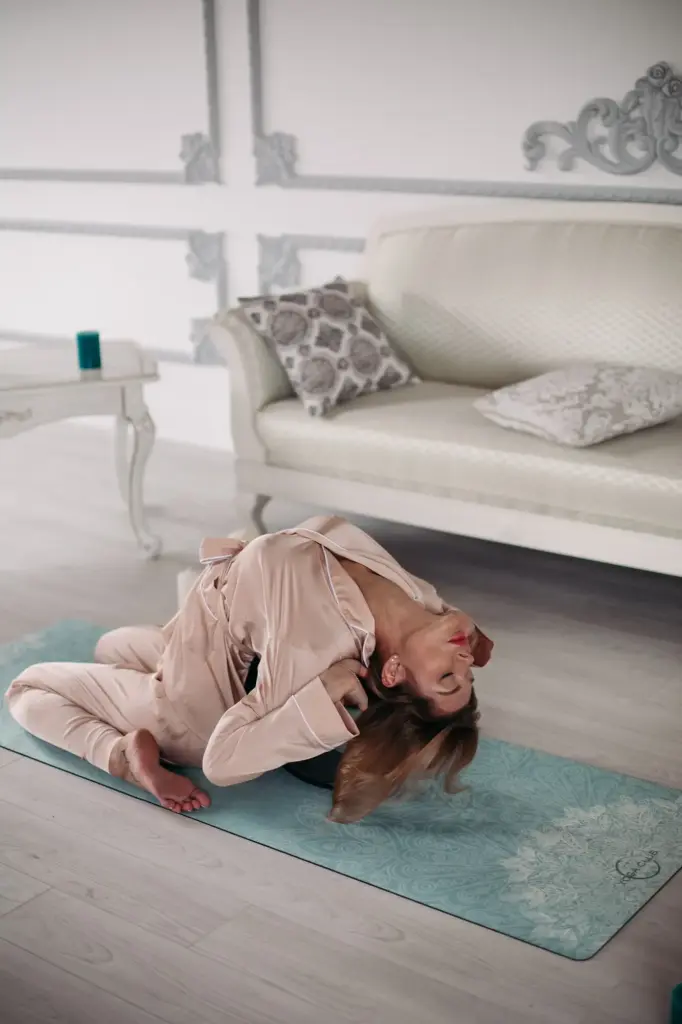
Invite clear front, back, right, and left markers using the room, the mat’s edges, and the body’s landmarks. Replace pointing with verbs and relationships: press, draw, lengthen, toward, away. Pauses confirm understanding, while optional check-ins maintain dignity and choice.

The Architecture of A Cue

Anchor each instruction with a sequence: name the body part, indicate the action, define direction, then offer breath and duration. Keep sentences short, sensual, and concrete. Consistency reduces cognitive load, helps memory, and frees attention for interior sensing and balance.

Consent Through Words

Replace unsolicited touch with vivid alternatives: describe where hands could go, ask for verbal consent, and provide options that respect privacy. Offer choices for intensity, stance, and pacing. Empowered decisions deepen trust, reduce anxiety, and open pathways for adventurous, sustainable practice.

Adapting Poses for Confident Embodiment
Standing With Steady Landmarks

Build Mountain, Warrior, and Triangle beside a wall or chair, feeling heel placement, hip rotation, and spinal length through pressure, not sight. Cue distance by steps or shin lengths. Audible taps on props can orient safely without startling or overwhelming sensitive listeners.
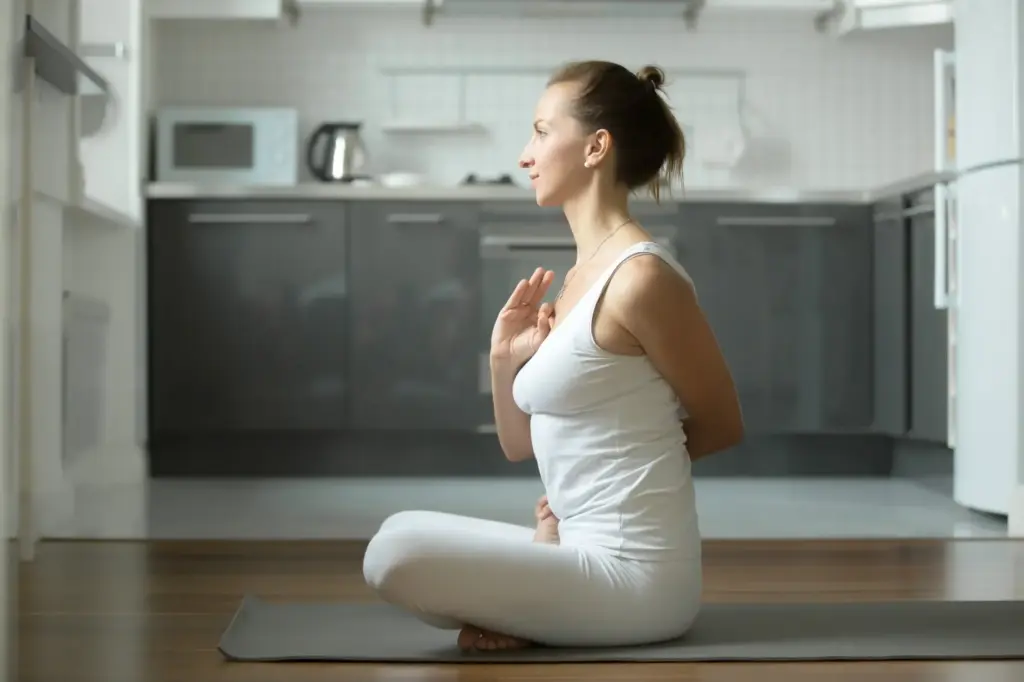
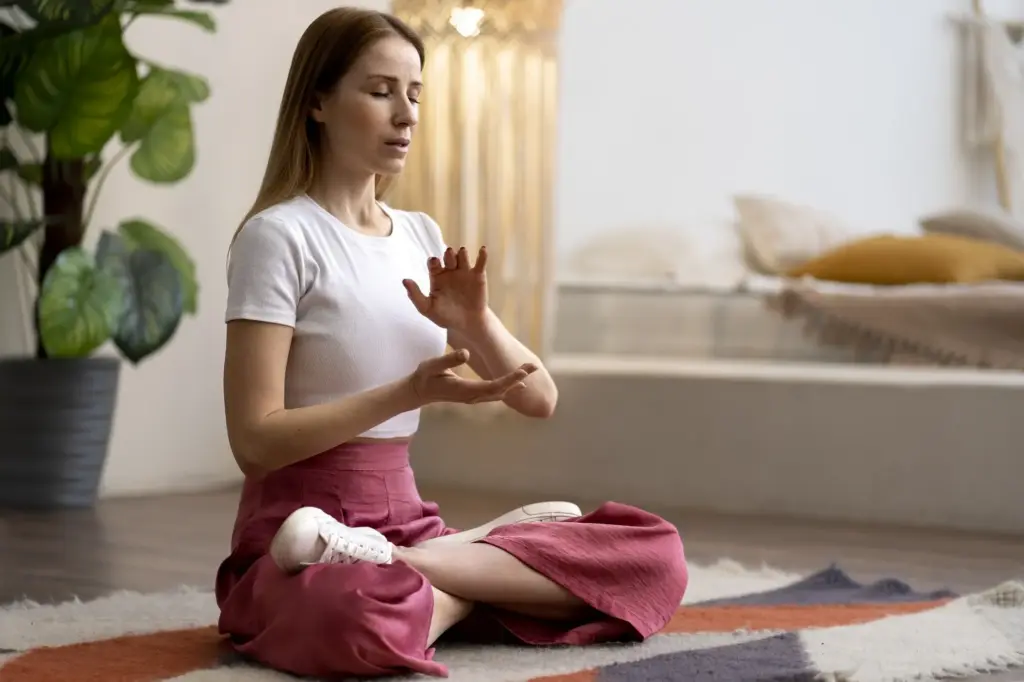
Seated and Supine Ease

Build Mountain, Warrior, and Triangle beside a wall or chair, feeling heel placement, hip rotation, and spinal length through pressure, not sight. Cue distance by steps or shin lengths. Audible taps on props can orient safely without startling or overwhelming sensitive listeners.

Progressing Into Balance

Build Mountain, Warrior, and Triangle beside a wall or chair, feeling heel placement, hip rotation, and spinal length through pressure, not sight. Cue distance by steps or shin lengths. Audible taps on props can orient safely without startling or overwhelming sensitive listeners.

Breath, Rhythm, and the Music of Movement

Audio’s greatest ally is breath. Counting guides pace, bells anchor transitions, and silence lets awareness bloom. By pairing exhale with effort and inhale with length, practitioners discover steadiness, reduce stress responses, and cultivate a personal metronome that travels into daily life.

Audio-First Tools and Technology

Designing With Screen Readers

Name buttons precisely, avoid unlabeled icons, and place critical controls within easy reach of thumb swipes. Provide audio previews of sequences and adjustable playback speeds. Transcripts with tactile diagrams support mixed learning styles, while consistent file naming ensures effortless retrieval and routine building.

Haptics and Wearables

Gentle vibrations can cue direction, pace, or time under load without extra words. Configure patterns that differentiate sides and phases. Keep privacy foremost, letting users silence feedback instantly. Calibration sessions prevent overload, honoring sensory sensitivities while keeping guidance reassuring, respectful, and quietly empowering.

Low-Tech, High-Trust Options

Recorded voice messages, analog kitchen timers, and floor tape along mat edges often outperform complex apps during real-life fatigue. Clear labeling on props, predictable playlists, and printed quick-start cards minimize decision fatigue, turning small windows of energy into truly restorative, sustainable practice moments.

Teaching With Empathy and Precision

Language grows from listening. Invite student stories, honor lived expertise, and adjust plans in response to their words. Practice describing, not demonstrating. Offer alternatives as equals, never as consolation. This partnership replaces hierarchy with collaboration, nurturing confidence, creativity, and a joyful sense of shared authorship. Share voice notes with our community, ask questions, and subscribe for new audio sequences shaped by your feedback.

Home Practice That Feels Safe and Uplifting

Preparing the Space
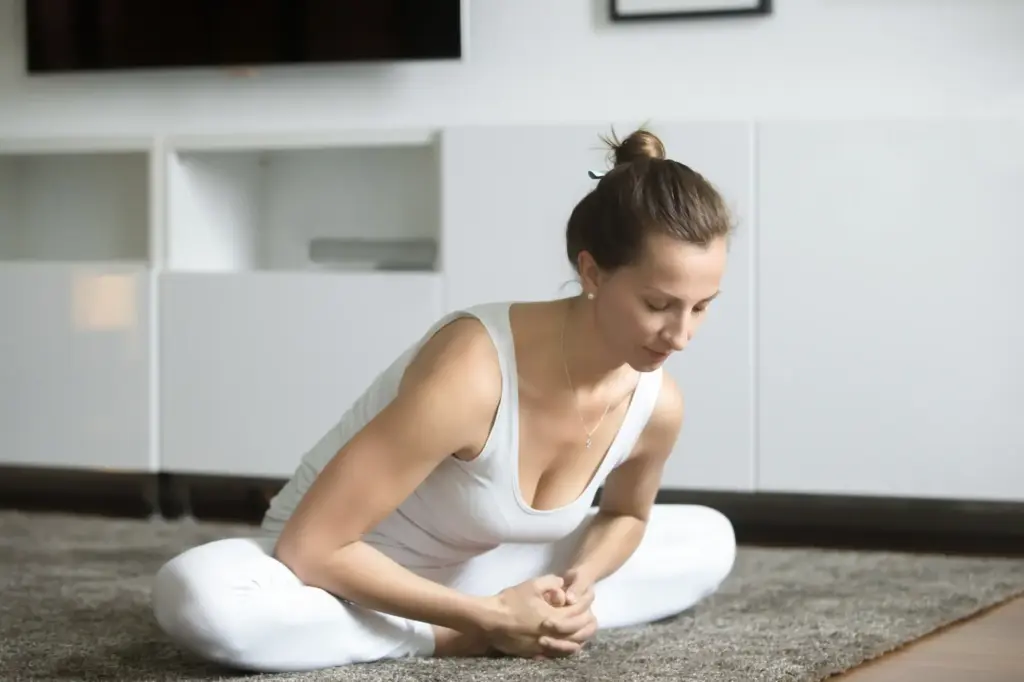
Reduce trip hazards, secure pets in another room, and test floor surfaces for grip. Place a bell, remote, or smart speaker within reach to pause anytime. Announce doorways and corners during walking practices. Confidence grows when the environment quietly promises reliability, respect, and calm.

Tracking What Matters

Use short audio journals after practice: name one sensation, one challenge, and one gratitude. Over time, these snapshots reveal patterns in sleep, pain, or mood. Celebrate tiny wins, adjust goals compassionately, and share highlights with peers to strengthen belonging and momentum.

Staying Motivated Together

Join community check-ins by voice message or live calls. Rotate who leads breath counts, spotlighting diverse accents and cadences. Friendly accountability, flexible schedules, and inclusive storytelling keep spirits high, making consistency feel like companionship rather than obligation, especially on tender or turbulent days.
Veltofexosiraravonaripexidaxi
Privacy Overview

This website uses cookies so that we can provide you with the best user experience possible. Cookie information is stored in your browser and performs functions such as recognising you when you return to our website and helping our team to understand which sections of the website you find most interesting and useful.