
Flow by Ear, Anywhere You Are
Presence Without Pixels
01
Eyes Soft, Awareness Bright
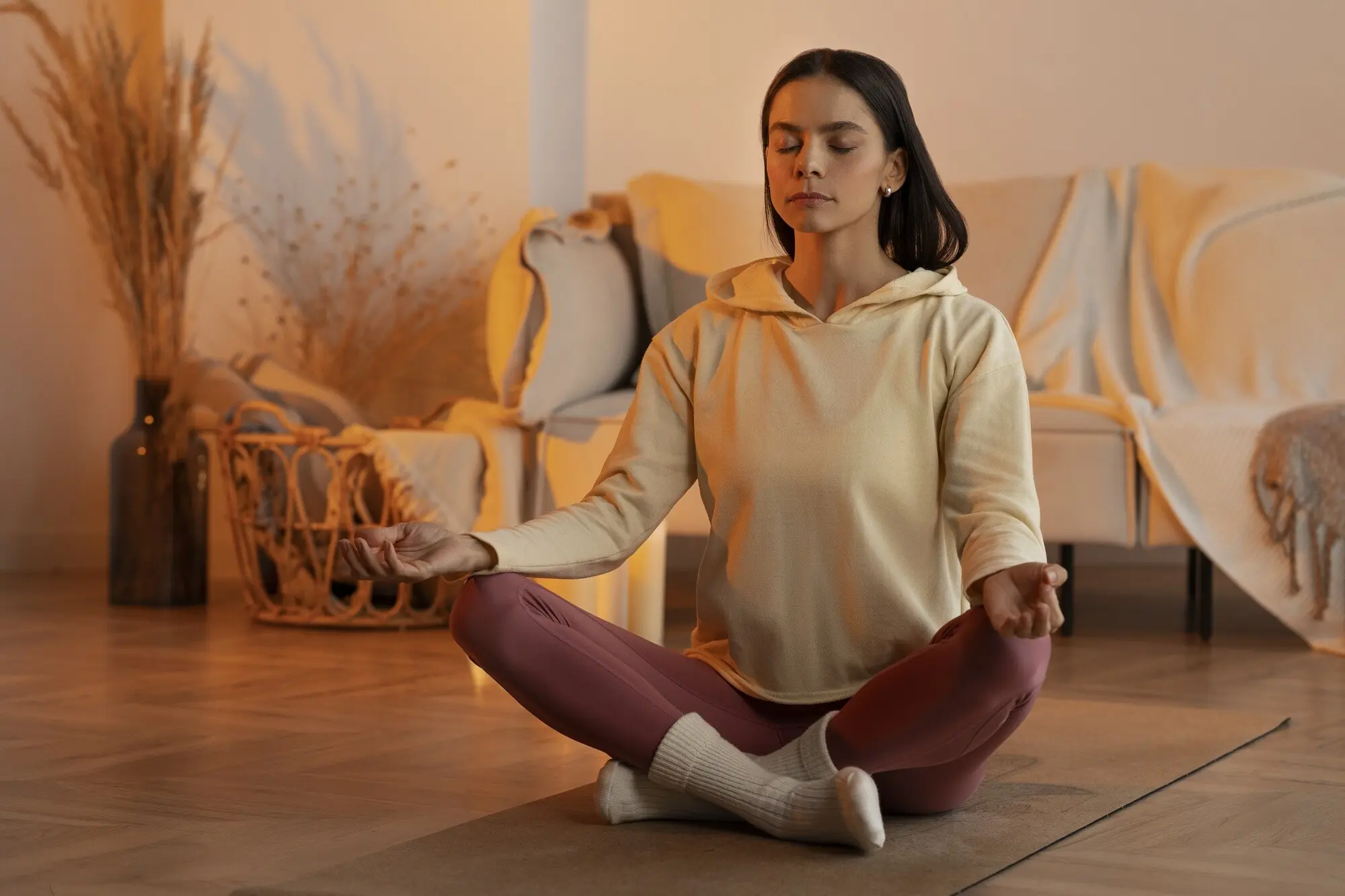
When you stop tracking a moving image, your visual system rests, allowing your attention to illuminate sensation and alignment from within. This shift feels like dimming house lights at intermission: surrounding noise drops, the stage clears, and subtle cues grow legible. Over time, this trains steadier concentration, because you trade quick, sight-led mimicry for slower, felt understanding shaped by breath, gravity, and the specific contours of your own body.
02
Head Up, Neck Happy
Forward-head posture thrives on screens placed below eye level. Audio practice invites a neutral gaze, longer collarbones, and a gently lengthened back of the neck. Listeners often notice fewer micro-cramps between shoulder blades and less jaw clenching when instructions arrive without a glowing lure. Keeping the head lifted and ears stacked over shoulders helps both breath and mood, encouraging an open-chested presence that supports stamina and expression throughout challenging sequences.
03
Fewer Distractions, Fuller Breath
Every buzz or flicker nudges attention away from diaphragmatic depth. With voice-only guidance, the nervous system receives fewer competing inputs, increasing the likelihood of long, unbroken exhales. Such continuity steadies transitions between poses and reduces hurried adjustments. Many practitioners describe a friendly quiet spreading through sessions, where small pauses feel generous rather than empty, and where breath becomes the teacher you follow even when external instructions momentarily recede into spacious silence.
Gear and Environment for Smooth Listening

Headphones, Earbuds, or Speakers
Open-ear or bone-conduction options keep you connected to surroundings, helpful outdoors or in shared homes. In a private room, a low-volume speaker frees your jaw and neck from headphone tension. Try brief tests: forward folds, lunges, and plank transitions, checking whether cues remain audible during breathing peaks. Favor comfort during longer holds, and remember that clarity matters more than bass response, especially for listening to consonant-rich alignment language and nuanced breath cadence.
Download Before You Down-Dog
Open-ear or bone-conduction options keep you connected to surroundings, helpful outdoors or in shared homes. In a private room, a low-volume speaker frees your jaw and neck from headphone tension. Try brief tests: forward folds, lunges, and plank transitions, checking whether cues remain audible during breathing peaks. Favor comfort during longer holds, and remember that clarity matters more than bass response, especially for listening to consonant-rich alignment language and nuanced breath cadence.
Shape the Room, Shape the Rhythm
Open-ear or bone-conduction options keep you connected to surroundings, helpful outdoors or in shared homes. In a private room, a low-volume speaker frees your jaw and neck from headphone tension. Try brief tests: forward folds, lunges, and plank transitions, checking whether cues remain audible during breathing peaks. Favor comfort during longer holds, and remember that clarity matters more than bass response, especially for listening to consonant-rich alignment language and nuanced breath cadence.
Voice-First Sequencing That Lands Clearly
Landmarks Over Mirror Lines
Instead of saying “like this,” effective audio highlights points you can touch or sense: press the mound under your big toe, float your sternum, track knee over middle toes, spread fingers to stabilize wrists. Such anchors translate instantly into action without needing to look. They also respect differences in proportions, allowing each practitioner to map the same verbal terrain onto a uniquely shaped and wonderfully changing, living body from moment to moment.
Breath Counts and Friendly Silences
Cadence matters. Simple counts—inhale for four, hold for two, exhale for six—organize attention and reduce uncertainty around when to move. Brief pauses invite you to notice heat, lightness, or resistance without pressure to fix anything. These woven silences function like commas in a sentence, giving meaning to the movement phrase. Over weeks, listeners develop internal pacing, anticipating spacious transitions and trusting their breath to carry them between actions confidently and kindly.
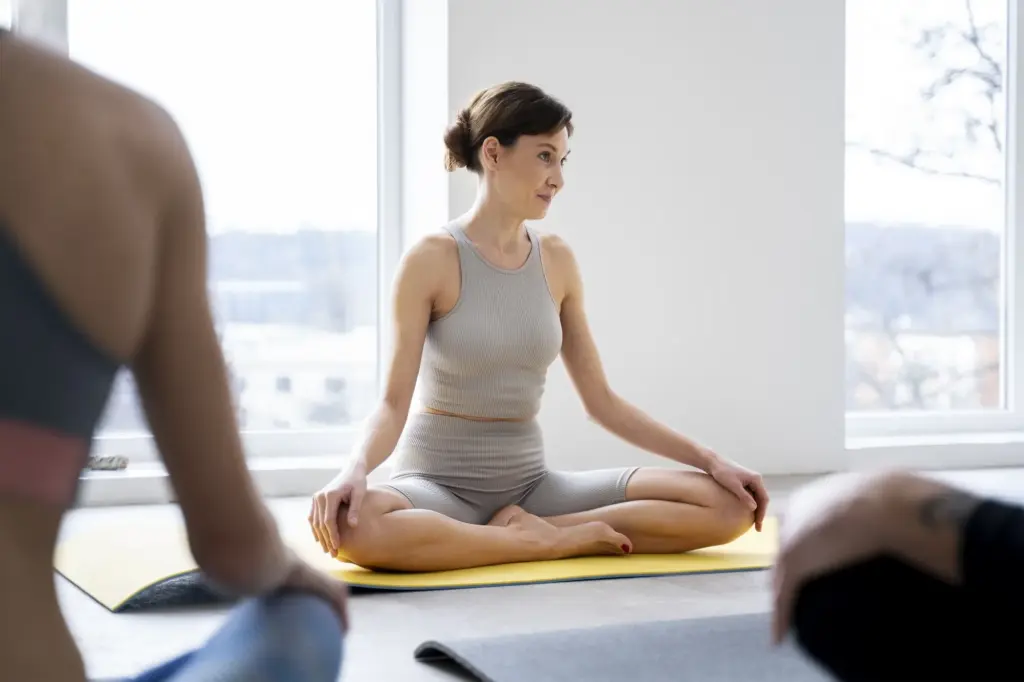
Inclusive Cues and Accessible Modifications
Soundscapes, Silence, and Rhythm
Music That Supports, Not Distracts
Silence as a Teacher
Rhythm That Breath Can Trust
Build Consistency, Track Progress, and Join the Circle
A Ritual You Can Keep
Reflect Without Obsessing
Share Your Voice, Shape the Library
All Rights Reserved.