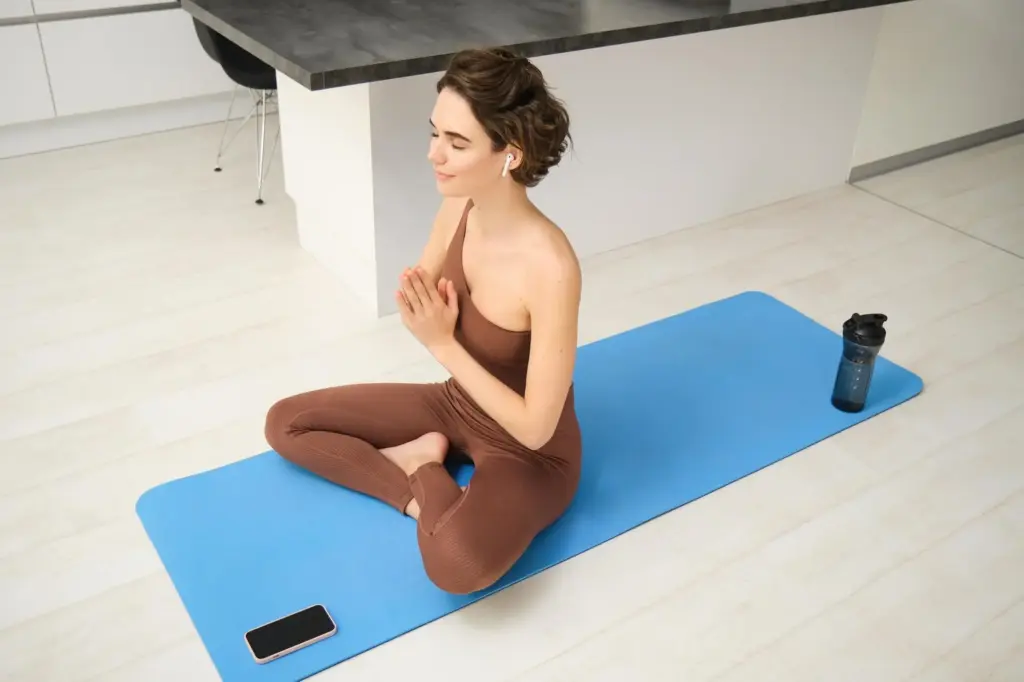
Speak Safety: Crafting Pure-Audio Yoga Guidance

Today we explore designing voice-only yoga cues for safe alignment, turning silence into space and language into reliable direction. You’ll learn how to describe shapes, actions, and safety boundaries without visuals or touch, using breath-timed instructions, vivid landmarks, and inclusive options. Expect practical phrasing, testable drills, and stories from real classes. Share your experiences and questions so we can refine scripts together and build safer, clearer practices for every body listening.

The Anatomy of a Clear Cue

A dependable instruction starts with context, then location, action, and breath, finishing with an optional benefit to motivate attention. This order helps listeners build a mental map before moving. We’ll contrast internal versus external focus language, explain why short verbs and concrete nouns land fastest, and show how safety constraints appear early. Try the included drills, post your attempts, and let peers help polish clarity without sacrificing warmth or individuality.

Order That Lands

Lead with where, follow with what, then add how and when to breathe, finishing with a purpose that frames effort. For example: “From your mat’s back edge, step the right foot forward, bend softly, exhale to steady.” Practice structuring five poses this way.

Words That Move Bodies

Choose vivid, short, concrete language: verbs like “press,” “stack,” “soften,” and nouns like “heel,” “rib,” “strap.” Prefer external targets: “press heel into mat” over “engage calf.” Record, listen, and replace any adjective that could mean ten different things to ten listeners.

Breath As Your Metronome

Breath sets tempo, attention, and nervous system tone. Pairing movement with inhale or exhale reduces hesitation and increases safety by organizing transitions. Use neutral language that welcomes different lung capacities, and allow pauses long enough for steadiness. We’ll map common pose families to breath phases and highlight exceptions. Share how your students respond to varied counts, and collect timing data from recordings to discover natural cadences you may be overlooking.

Reliable Landmarks

Refer to the front, back, left, and right edges of the mat; name near or far corners; and compare distances to a foot length or palm span. Mention props’ positions before movement begins. Reuse phrases so orientation becomes automatic and comforting.

Right And Left, Made Simple

State your perspective first if mirroring: “I’m saying right when you move left.” Reinforce with pairs: “Right hand, left knee.” Avoid chains longer than three actions. When confusion appears, pause, re-mark landmarks, and restart the sentence rather than layering fixes on top.

Inclusive Safety For Diverse Bodies

People arrive with different histories, joints, and goals. Words must welcome variability while protecting vulnerable structures. Offer clear options alongside progressions, name common contraindications without fear, and explain success markers that are not about depth. Collect anonymous questions, and turn them into weekly mini-scripts your community can practice and critique kindly.

Error Correction That Empowers

Corrections land best when hopeful, brief, and specific. Describe what to do, not what went wrong. Use group-oriented phrasing when individuals might feel singled out. Build from stable anchors like feet and breath, then layer micro-adjustments. Ask listeners to confirm sensations, and thank them for speaking up.

Sequencing For Stability

Progress is safer when loads, ranges, and attention demands increase gradually. Build from the floor up, establish clear exits before entries, and preview the most complex action with a rehearsal. Incorporate props early, and keep one stable landmark throughout a sequence. Share your favorite stable-to-mobile transitions in the comments.

From Ground To Crown

Start in supine or tabletop to pattern joint positions with minimal load. Rehearse key actions there, then retain the cues as you rise to kneeling, standing, and balance work. The language remains identical while the intensity scales, preserving safety and confidence.

Props You Can Picture

Name where the block, strap, or wall goes before the movement starts. Compare distances to familiar measures, like one hand length or a shoelace loop. Offer reasons: props improve angles or distribute load, not just make things “easier.” Invite photos of creative setups.

Exit Strategies And Failsafes

State the way out before the way in. Provide at least two exits, one passive and one active. For example, “Knees down, or step shorter.” Mention what to do if dizziness or pain appears, and normalize choosing exits early.

Testing, Scripting, And Iteration

Great audio guidance grows through drafts, recordings, and listener feedback. Script sequences with margins for timing, mark breaths, and underline safety anchors. Pilot with three students who differ meaningfully, and study where they pause. Publish revised scripts, invite critiques, and celebrate improvements publicly to model continuous learning.

Script Like A Sound Designer

Write cues in beats and blocks, using line breaks for breaths and bold verbs to anchor actions. Add bracketed options and exits. Read aloud, eyes closed, then trim any flourish that slows comprehension. Share your best five-line sequence with the group.

Pilot, Record, Review

Run a short session with phones in the back recording room sound. Listen for mumbled consonants, rushed transitions, and missing exits. Note timestamps and rewrite. Repeat until the track feels like a friendly handrail. Post before-and-after clips to inspire fellow teachers.

Collect Feedback And Iterate

Invite students to message anonymous notes after class: where instructions felt fast, unclear, or especially helpful. Map comments to your script and mark changes. Thank contributors, share wins, and credit them in future releases. Collaboration builds safer classes and stronger communities over time.

Veltofexosiraravonaripexidaxi
Privacy Overview

This website uses cookies so that we can provide you with the best user experience possible. Cookie information is stored in your browser and performs functions such as recognising you when you return to our website and helping our team to understand which sections of the website you find most interesting and useful.