
Settle In with Audio-Guided Restorative and Yoga Nidra for Better Sleep
Calm Biology: How Restorative and Nidra Invite Sleep
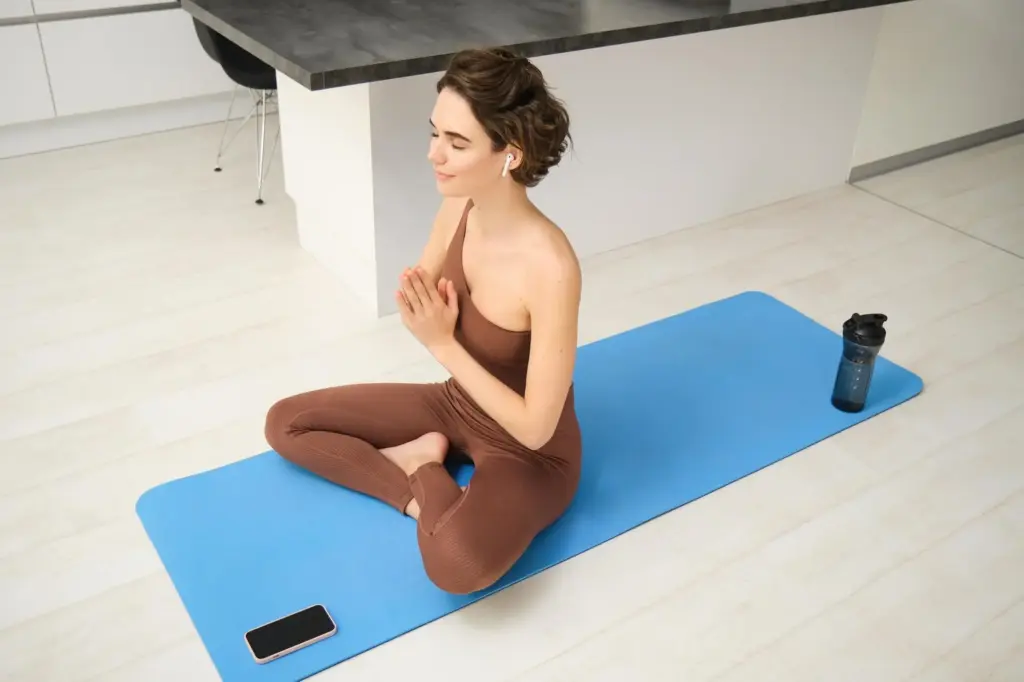
From Tension to Tranquility
Supported poses communicate reassurance through pressure, warmth, and stillness, which can settle overactive stress responses. Think of bolsters and blankets as gentle anchors that let muscles stop bracing. As joints feel cradled and the spine finds neutral comfort, the breath lengthens naturally, the jaw softens, and the shoulders lower. Many people notice a subtle yawn or sigh, signs that vigilance is unwinding and the body is willing to be carried. These small physiological shifts create a runway toward drowsiness that feels earned rather than forced.
Yoga Nidra and Brainwaves
Supported poses communicate reassurance through pressure, warmth, and stillness, which can settle overactive stress responses. Think of bolsters and blankets as gentle anchors that let muscles stop bracing. As joints feel cradled and the spine finds neutral comfort, the breath lengthens naturally, the jaw softens, and the shoulders lower. Many people notice a subtle yawn or sigh, signs that vigilance is unwinding and the body is willing to be carried. These small physiological shifts create a runway toward drowsiness that feels earned rather than forced.
Breath as a Dimmer Switch
Supported poses communicate reassurance through pressure, warmth, and stillness, which can settle overactive stress responses. Think of bolsters and blankets as gentle anchors that let muscles stop bracing. As joints feel cradled and the spine finds neutral comfort, the breath lengthens naturally, the jaw softens, and the shoulders lower. Many people notice a subtle yawn or sigh, signs that vigilance is unwinding and the body is willing to be carried. These small physiological shifts create a runway toward drowsiness that feels earned rather than forced.
Prepare Your Nest: Environment That Encourages Letting Go
Light, Sound, and Temperature
Props that Invite Surrender
Audio that Feels Like a Hand on the Shoulder
An Evening Flow that Ends in Stillness
Ten Minutes to Unwind
Start with a supported child’s pose, knees wide, bolster under the chest, and forehead resting, letting the breath broaden the back ribs. Roll slowly into a reclined twist with knees on a pillow, pausing long enough to sense weight and support. Briefly visit a seated forward fold with generous props under thighs to avoid strain. Let the spine feel coaxed, never pushed. As your body warms, reduce movement, and let the floor carry more of you. Those first ten minutes invite your mind to switch from urgency to listening.
Fifteen Minutes to Float
Slide into legs-up-the-wall with a folded blanket under hips for comfort, or use a chair to rest calves if a wall is not handy. Add a light cover over the belly for grounding. Then settle into supported bound-angle, soles together, knees cradled by sturdy cushions, arms resting with palms up. Let breath spill out like warm tea. If thoughts tug, silently name sensations: weight, warmth, contact, ease. By the end, your body should feel buoyant, as though cushions are quiet water and you are content to float.
Twenty Minutes of Yoga Nidra
Now arrange your most comfortable rest: bolster under knees, blanket over you, eye cover ready. Start your Nidra recording and allow the voice to lead you through settling, intention, and body scan. When rotation of awareness visits each limb, respond with a whisper of attention, nothing more. If drowsiness arrives early, embrace it kindly. Exhales lengthen, mind softens, and gentle imagery smooths leftover edges from the day. When the practice closes, remain resting, allowing sleep to catch you naturally, without effort, as if you have already begun dreaming.
Gentle Scripts You Can Trust in the Dark
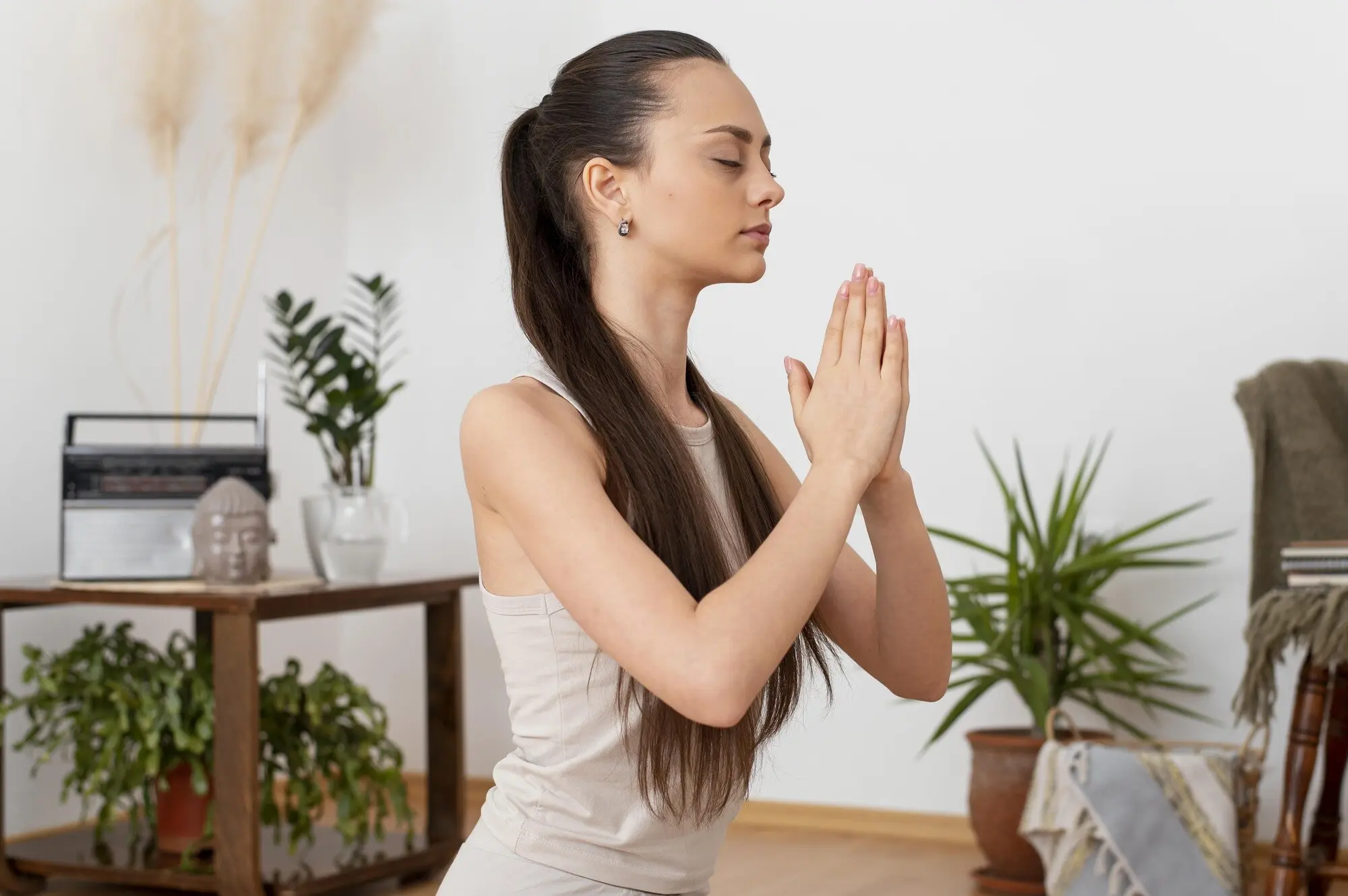

Restlessness and Racing Thoughts
If your mind gallops, shorten the session and simplify cues. Try a hand on the belly to feel breath rise and fall, or count each exhale up to five repeatedly. You might also add a tiny sway in a supported pose to discharge fidgety energy before settling. Remind yourself that thoughts can chatter while the body unwinds anyway. The goal is friendly companionship with your experience, not silence on command. Restlessness often fades once it is acknowledged and given a gentle, repetitive anchor that feels humane rather than rigid.
Discomfort, Numbness, and Pins-and-Needles
Discomfort is information, not failure. Adjust props until weight is truly distributed. Add padding under ankles, widen knees, or place a small roll beneath the low back if it feels hollow. Settle the shoulder blades by hugging a bolster before releasing arms. If tingling appears, shift slightly without judgment, then return to stillness. You can pause the audio to make changes; your body’s requests are part of the conversation. Comfort is not indulgent here—it is the foundation that allows muscles to quit guarding and the mind to feel safe.
Falling Asleep Too Fast and Missing the Practice
Paradoxically, nodding off early can mean your system craves rest deeply. If you wish to experience more of the guidance, try practicing earlier in the evening, or pick a shorter Nidra track. Begin seated for a minute to register the opening cues clearly, then recline. You can also try a slightly cooler room or lift the head a touch to maintain gentle alertness. None of this is cheating; it is wise calibration. On nights you drift immediately, celebrate the gift: your body trusted the setup and surrendered into healing rest.
Keep Going: Tracking, Community, and Gentle Accountability
All Rights Reserved.