
Flow, Breathe, and Listen: Hands-Free Home Yoga with Your Smart Speaker
We’re diving into Smart Speaker Yoga: Hands‑Free Audio Sessions at Home, turning living rooms into calming, voice-led studios. Discover how wake words, clear cues, and mindful soundscapes keep your eyes off screens, protect alignment, and elevate consistency. Join our growing community, share your favorite commands, and breathe deeper together.
Start Strong: Setting Up a Voice-Led Practice
Create a safe, inspiring corner where your speaker hears you clearly and you can move freely. Position the device at chest height, reduce echo with soft furnishings, test volume at different poses, and prepare props within reach. Clear floor obstacles, invite natural light, and commit to gentle beginnings.
Prepare Your Space
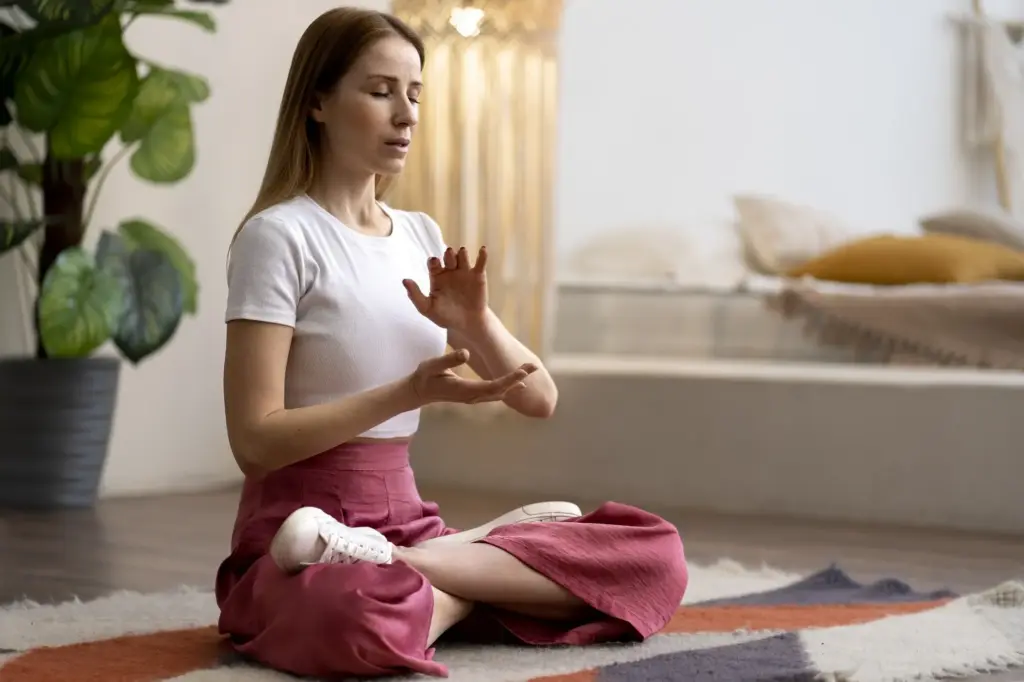
Roll out a non-slip mat, place blocks or cushions to the side, and leave arm-span clearance around you. Turn off visual distractions, silence notifications, and let your speaker face the practice area. A small plant, stable lighting, and comfortable temperature reinforce calm without competing with guidance.
Choose the Right Device and Services
Compare microphones, room size suitability, and supported platforms like Apple Music, Spotify, or YouTube Music. Consider assistants with high-quality timers, routine builders, and multilingual cues. If household accents vary, enable voice profiles to reduce mishears. Prioritize reliability over flashy extras; consistent responses sustain motivation long-term.
First Voice Commands to Try
Begin with simple requests: “Start a gentle yoga flow,” “Set a five-minute breathing timer,” or “Play soft ambient piano at low volume.” Practice pausing with “stop,” repeating cues with “say that again,” and adjusting sound hands-free. Confidence grows as each command lands smoothly.
Voice-Cued Flows That Match Your Energy
Shape your sequence by asking for vinyasa, hatha, yin, or restorative emphasis, then let the audio pacing guide transitions. Clear verbs like reach, root, lengthen, and soften reduce hesitation. Calibrate tempo with music BPM, and invite modifications to support balance, mobility, and breath.
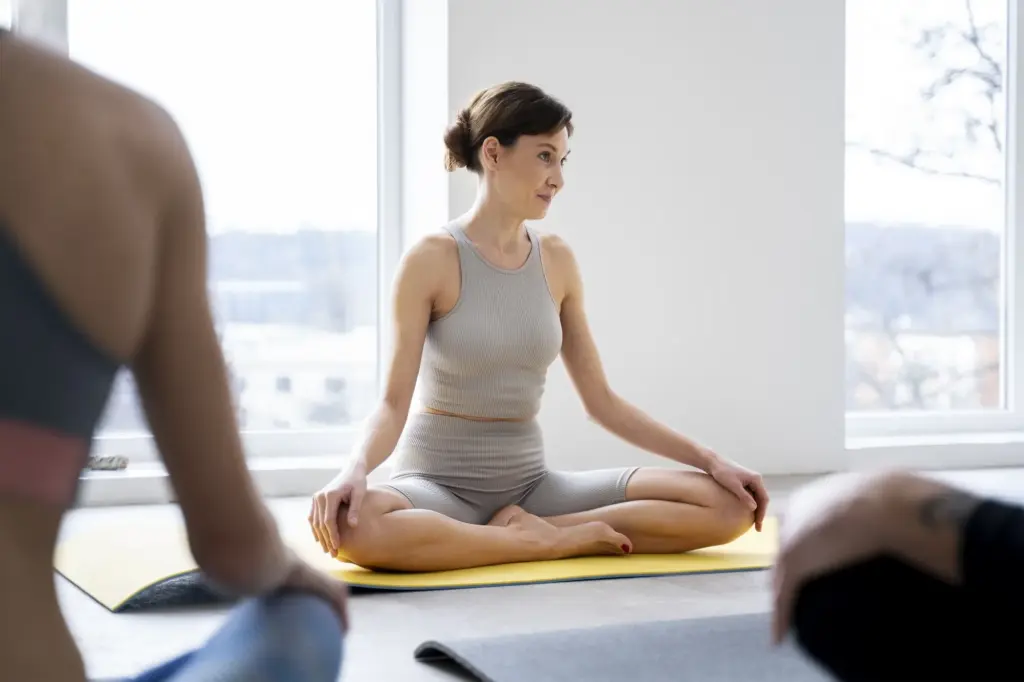
Morning Energizer
Ask for an awakening sequence that builds from cat–cow into sun salutations, standing balance, and gentle backbends. Keep music bright but not harsh, around moderate volume, to avoid straining focus. Conclude with seated breathing to prime attention before email, meetings, and breakfast decisions.
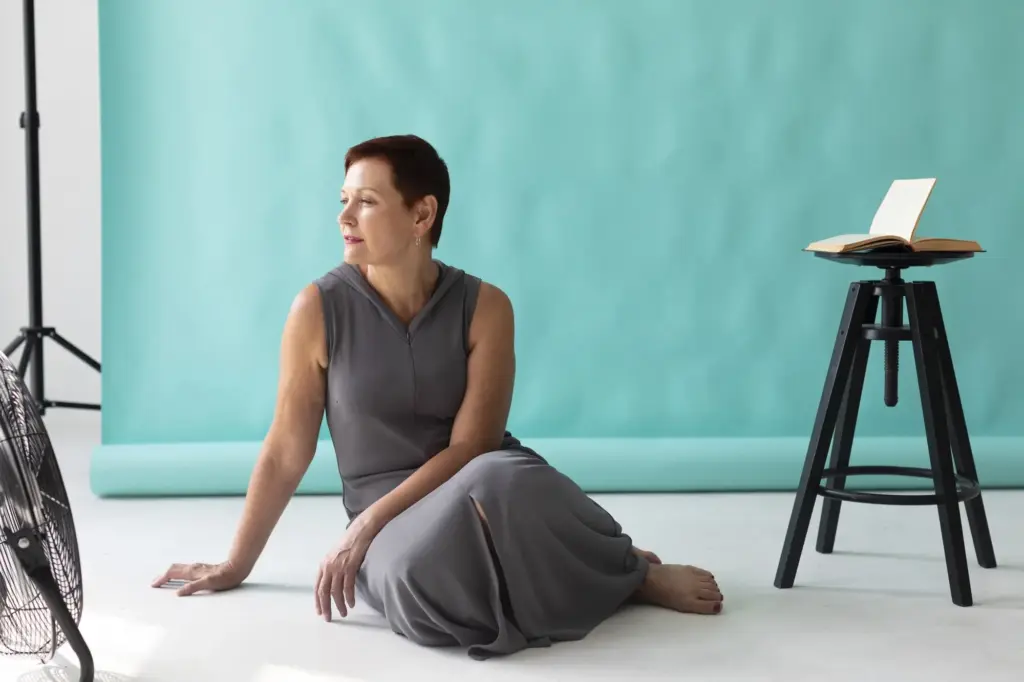
Desk-Break Reset
Between tasks, cue a compact flow emphasizing wrists, neck, hips, and hamstrings, using careful transitions that respect tightness. Keep playlists minimal and rhythmic to prevent rumination. Voice timers ensure you return on schedule, refreshed, posture-aware, and more receptive to deep, sustained concentration afterward.
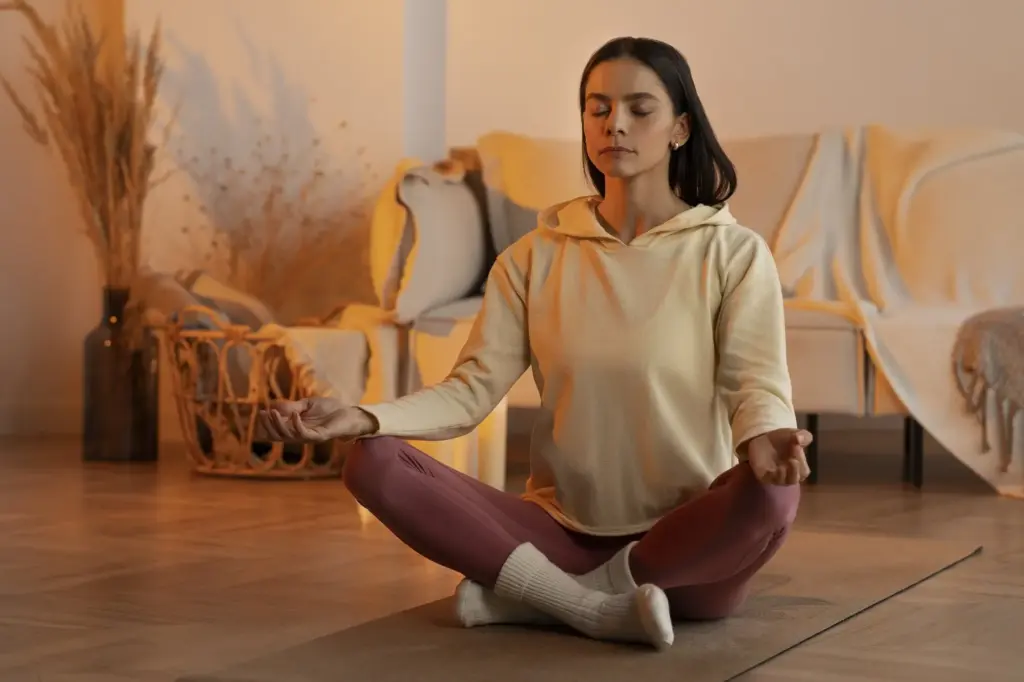
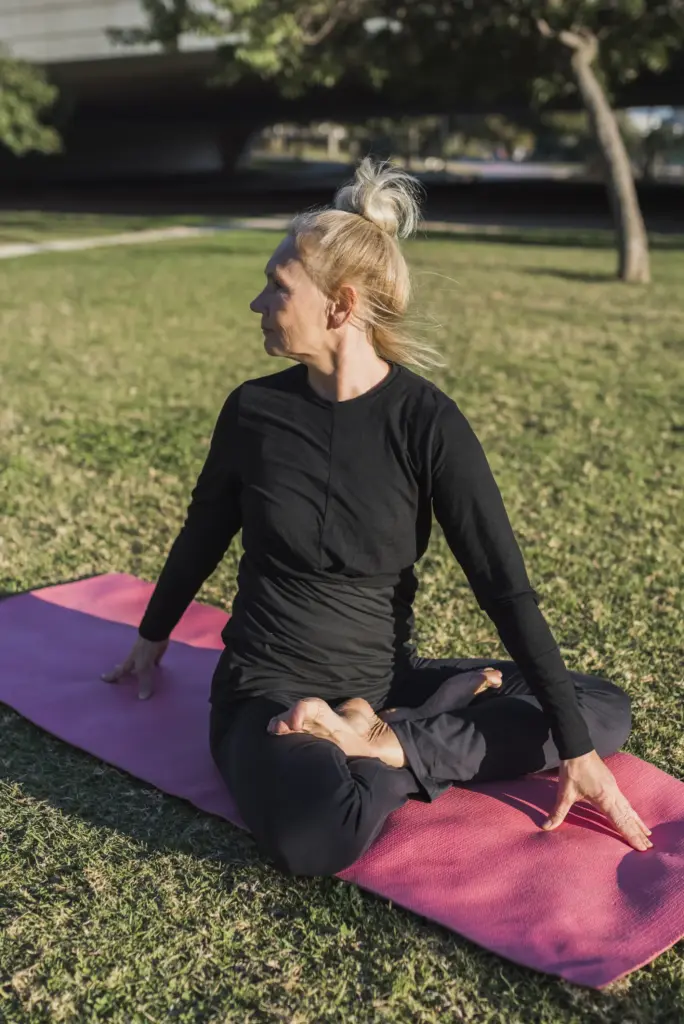
Breath, Mindfulness, and Supportive Soundscapes
Breathing practices blossom when hands remain free and attention follows sound rather than screens. Set interval chimes for box, 4-7-8, or alternate-nostril patterns. Choose brown noise, birdsong, or temple bowls to frame awareness. Short, consistent sessions cultivate resilience, kinder self-talk, and steadier nervous system rhythms.
Music, Rhythm, and Audio Quality That Support Movement
Well-chosen sound can steady cadence, emphasize exhales, and reduce perceived exertion. Create playlists grouped by intensity and pose families, then control crossfade and normalization in app settings. Keep volume where cues remain intelligible during inversions. Remember, protecting hearing safeguards balance, awareness, and long-term enjoyment of practice.

Curate by Intensity and Pose Family
Gather downtempo tracks for yin and restorative shapes, mid-tempo instrumentals for standing flows, and energizing beats for dynamic sequences. Tag songs with mood notes. Your assistant can rotate selections automatically, preventing playlist fatigue and keeping curiosity alive without disrupting alignment or breath rates.
Balance Volume for Clarity and Safety
Run a quick test: whisper a command during a challenging pose. If the device fails to hear, reduce volume slightly or reposition speakers. Favor clarity over thumping bass; stable balance needs accurate cues. Quiet confidence fosters better proprioception, joint support, and efficient strength recruitment.

Solve Echoes and Room Acoustics
Hard surfaces bounce commands and cues. Add a rug, curtains, or book-filled shelves to tame reflections. Angle speakers away from bare walls and toward your mat. Even small acoustic tweaks reduce mishears, protect concentration, and make every instruction feel personal, kind, and steady.
Inclusive, Family-Friendly, and Accessible Practice
{{SECTION_SUBTITLE}}
Low-Vision Friendly Cues
Favor teachers who reference bones, joints, and directional landmarks—press heel, lengthen crown, stack shoulders—rather than solely visual metaphors. Ask for frequent breath reminders and tactile imagery. Consistent, descriptive language turns poses into reliable maps you can revisit safely, confidently, and creatively each week.
Adaptive Variations by Voice
Request chair-based options, wall support, or prop suggestions when energy dips or recovery requires patience. Hands-free sentences maintain momentum without losing alignment. Over time, you will memorize kinder choices, making resilience second nature and transforming setbacks into informed, body-honoring problem solving during challenging days.
Privacy, Safety, and Respectful Home Etiquette
Voice Privacy Basics
Explore history settings, auto-delete intervals, and guest mode. Assign purchasing permissions carefully, and consider muting microphones during private conversations near the mat. Transparency builds trust, so post simple household guidelines explaining wake words, volume etiquette, and respectful interruptions when someone is centered in reflective movement.
Prevent Overexertion and Strain
Ask the assistant to pace holds conservatively, then increase duration gradually. Replace forced shapes with curiosity-driven exploration. If breath shortens, back off. Record how fatigue changes across days. Sustainable consistency, not heroics, rewires habits, lowers injury risk, and leaves you eager to return tomorrow.
Share the Space Kindly
Let housemates know your schedule, invite them to join, or set quiet hours. Use headphones only when safe and stationary. Thank others for minimizing noise, and reciprocate. Little courtesies amplify everyone’s calm, turning a living room into a supportive studio where goodwill circulates generously.
Rituals, Automations, and Progress You Can Feel
Small triggers stack into powerful rituals. Build a routine that dims lights, starts a curated playlist, cues breath, and opens a twenty-minute sequence with one command. Track streaks with reminders and calendar notes. Celebrate small wins publicly or privately to lock in momentum compassionately.
Troubleshooting and Expert Tips
Occasional hiccups happen. Train voice recognition, review language packs, and simplify phrasing when commands misfire. Check Wi‑Fi congestion, reboot judiciously, and keep skills updated. Save an offline playlist for outages. Most glitches yield quickly to patience, precise cues, and a spirit of lighthearted experimentation.
All Rights Reserved.